Breaking down two essential facade systems to help architects make smarter design decisions
Understand the difference between curtain wall and cladding systems. Learn how each impacts building performance, aesthetics, and cost for modern architectural projects.
In modern architecture, facade systems play a defining role in both the appearance and performance of a building. Among the most commonly used systems are curtain walls and cladding. While they may appear similar at first glance, they serve very different purposes and offer distinct advantages. For architects, understanding the difference between these two systems is essential for making informed design decisions.
Curtain walls are lightweight, non-structural facade systems typically made of glass, aluminum, or a combination of both. They are designed to cover the exterior of a building without carrying any structural load. Instead, they transfer their own weight and environmental loads, such as wind pressure, back to the building’s structural frame. This makes curtain walls an ideal choice for high-rise buildings where minimizing weight is crucial.
One of the defining features of curtain wall systems is their ability to create transparent and visually striking facades. By allowing maximum natural light into the building, they enhance interior spaces and reduce the need for artificial lighting. However, this transparency also requires careful design to manage heat gain, glare, and energy efficiency. High-performance glazing and shading systems are often integrated to address these challenges.
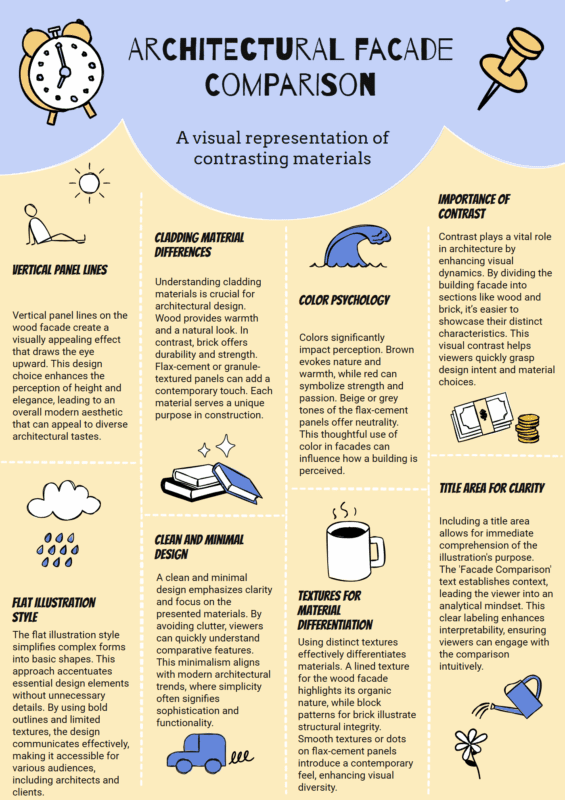
Cladding, on the other hand, is a broader term that refers to the application of one material over another to provide a protective and decorative layer. Unlike curtain walls, cladding systems can be made from a wide variety of materials, including metal panels, stone, brick, wood, and composite materials. Cladding is typically attached to the building’s structural frame or substrate and plays a significant role in protecting the building from environmental elements.
One of the key advantages of cladding systems is their versatility. Architects can choose from a wide range of materials and finishes to achieve the desired aesthetic. Whether it is a modern metal facade, a warm wooden exterior, or a timeless brick finish, cladding offers flexibility in design while maintaining durability and performance.
From a performance perspective, both curtain walls and cladding systems contribute to the building envelope, but in different ways. Curtain walls rely heavily on glazing technology to achieve insulation and energy efficiency. In contrast, cladding systems often incorporate insulation layers and ventilated cavities to improve thermal performance and moisture control. This makes cladding particularly effective in climates where temperature regulation and durability are critical.
Cost is another important factor that influences the choice between curtain walls and cladding. Curtain wall systems, especially those with high-performance glazing, can be more expensive due to their complexity and material requirements. Cladding systems, depending on the material selected, can offer a more cost-effective solution while still delivering strong performance and aesthetic appeal.
Maintenance requirements also differ between the two systems. Curtain walls, particularly glass facades, require regular cleaning and maintenance to retain their appearance and performance. Cladding systems, especially those made from durable materials like brick or composite panels, often require less frequent maintenance, making them a practical choice for many projects.
- Choose curtain walls when transparency, natural light, and modern aesthetics are priorities
- Opt for cladding when durability, material variety, and cost efficiency are key considerations
Real-world applications highlight how these systems are used in different contexts. Commercial skyscrapers often utilize curtain wall systems to achieve sleek, modern designs and maximize daylight. In contrast, residential and institutional buildings frequently rely on cladding systems for their durability, insulation, and design flexibility.
Another important consideration is sustainability. Both systems can contribute to energy-efficient building design when used correctly. Curtain walls can incorporate advanced glazing technologies to reduce heat gain and improve insulation. Cladding systems can integrate sustainable materials and ventilated designs to enhance energy performance and reduce environmental impact.
For architects, the decision between curtain walls and cladding should be based on a combination of factors, including building type, climate, budget, and design intent. There is no one-size-fits-all solution. Instead, the key lies in understanding the strengths and limitations of each system and applying them strategically.
In some cases, architects may even combine both systems within a single project. For example, a building may use a curtain wall system for its primary facade while incorporating cladding elements in specific areas to enhance performance or create visual contrast. This hybrid approach allows architects to leverage the benefits of both systems while addressing project-specific requirements.
Ultimately, the choice between curtain walls and cladding is not just a technical decision—it is a design strategy. It influences how a building looks, performs, and interacts with its environment. By making informed choices, architects can create facades that are not only visually compelling but also efficient, durable, and sustainable.
As architecture continues to evolve, the importance of facade systems will only grow. Architects who understand the nuances of curtain walls and cladding will be better equipped to design buildings that meet modern demands while pushing the boundaries of creativity and innovation.
FAQs
1. What is the main difference between curtain walls and cladding?
Curtain walls are non-structural glass-based systems, while cladding refers to protective layers made from various materials like metal, wood, or brick.
2. Which system is more energy-efficient?
Both can be energy-efficient when designed properly, but cladding systems often provide better insulation.
3. Are curtain walls more expensive than cladding?
Yes, curtain walls are generally more expensive due to their complexity and material requirements.
4. Which system requires less maintenance?
Cladding systems usually require less maintenance compared to glass-heavy curtain walls.
5. Can both systems be used together?
Yes, many modern buildings combine curtain walls and cladding for optimal performance and design flexibility.
🚀 CTA (Call to Action)
Choosing the right facade system can define the success of your project. Whether you opt for curtain walls, cladding, or a combination of both, make informed decisions to create buildings that excel in performance, aesthetics, and sustainability.
Call us at 9821156059