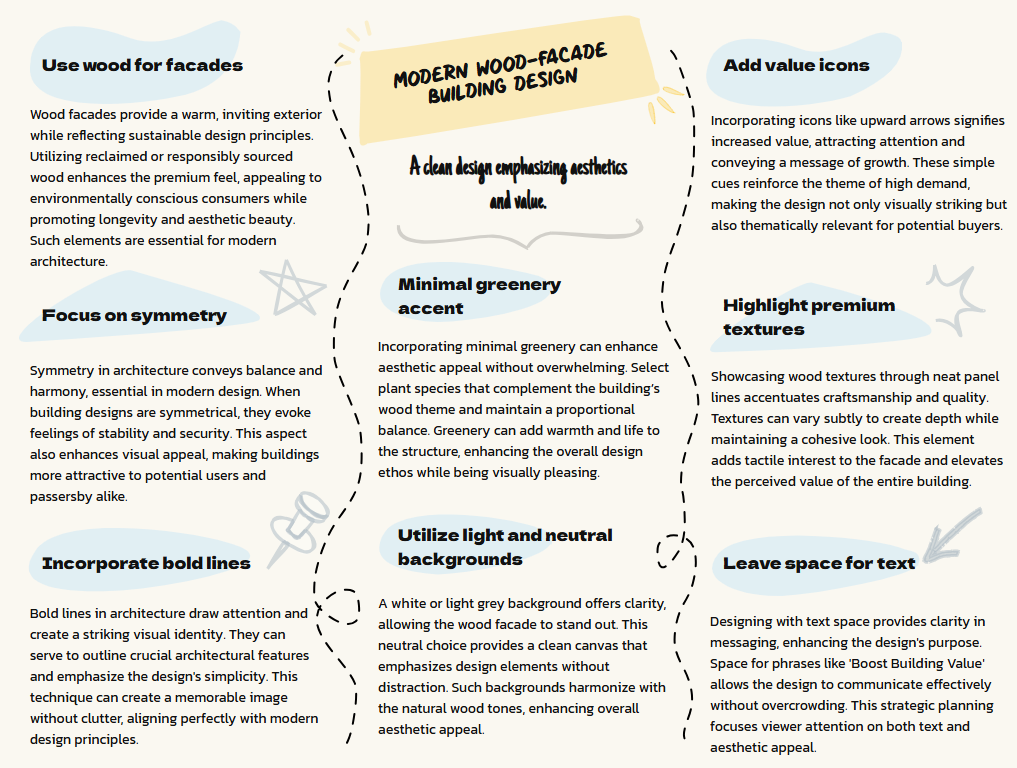
Understanding how facade choices shape perception, identity, and long-term property value
Meta Description:
Discover how facade design impacts building aesthetics and property value. Learn how architects can use facade strategies to enhance visual appeal and market worth.
In architecture, first impressions are not just important—they are defining. The facade of a building is often the first element people notice, shaping their perception long before they experience the interior. For architects, this makes facade design a powerful tool that goes beyond aesthetics. It directly influences how a building is perceived, valued, and remembered.
A well-designed facade creates a strong visual identity. It communicates the purpose, character, and quality of a building. Whether it is a commercial structure aiming to project professionalism or a residential building designed for warmth and comfort, the facade plays a central role in delivering that message. Architects who understand this relationship can use facade design to create meaningful and memorable spaces.
Material selection is one of the most influential factors in determining facade aesthetics. Different materials evoke different emotions and associations. For example, natural materials like wood and stone often convey warmth and authenticity, while metal and composite panels can create a sleek and modern appearance. The choice of materials must align with the building’s function, location, and target audience.
Color and texture also contribute significantly to the visual impact of a facade. Subtle variations in tone and surface finish can add depth and character to a building. A thoughtfully designed facade uses these elements to create balance and harmony, ensuring that the building stands out without appearing overwhelming.
Beyond aesthetics, facade design has a direct impact on property value. Buildings with well-designed facades tend to attract more attention, higher occupancy rates, and increased market demand. In commercial real estate, a visually appealing facade can enhance brand perception and attract premium tenants. In residential projects, it can influence buyer decisions and increase resale value.
This connection between design and value highlights the importance of investing in quality facade systems. While cost considerations are always present, cutting corners on facade design can lead to long-term disadvantages. A poorly designed facade not only affects visual appeal but can also result in higher maintenance costs and reduced durability.
Lighting is another powerful element that enhances facade aesthetics. Natural light interacts with materials throughout the day, creating dynamic visual effects. At night, artificial lighting can transform a building’s appearance, highlighting key design features and adding a sense of sophistication. Architects who incorporate lighting into their facade strategy can create buildings that remain visually engaging at all times.
Scale and proportion are equally important in facade design. The arrangement of elements such as windows, panels, and structural lines must be carefully considered to achieve visual balance. A well-proportioned facade feels cohesive and pleasing, while a poorly proportioned one can appear disjointed and unappealing.
Modern architecture increasingly emphasizes the integration of performance and aesthetics. Facades are no longer designed solely for visual impact; they must also contribute to energy efficiency and sustainability. This integration allows architects to create buildings that are both beautiful and functional, enhancing their overall value.
- Use materials and textures strategically to create a strong visual identity
- Balance aesthetics with performance to maximize long-term value
Real-world examples demonstrate how facade design can elevate a building’s status. Iconic structures often gain recognition not just for their size or function, but for their distinctive facades. These buildings become landmarks, attracting attention and increasing their cultural and economic value.
For architects, the challenge lies in creating facades that are both visually compelling and contextually appropriate. A design that works in one environment may not be suitable for another. Understanding the surrounding context, including cultural, environmental, and urban factors, is essential for creating meaningful designs.
Another important consideration is longevity. Trends in architecture may change, but a well-designed facade should remain relevant over time. Choosing timeless materials and design principles ensures that the building retains its appeal and value for years to come.
Facade design also influences user experience. The way a building looks can affect how people feel about it, whether they are entering a workspace, visiting a public facility, or living in a residential complex. A thoughtfully designed facade creates a positive emotional connection, enhancing the overall experience.
As architecture continues to evolve, the role of facade design in shaping aesthetics and value will only become more significant. Architects who prioritize facade strategy can create buildings that stand out in competitive markets while delivering long-term benefits.
Ultimately, facade design is not just about creating something visually attractive. It is about crafting an identity, enhancing functionality, and adding value. By making informed design choices, architects can ensure that their projects leave a lasting impression and achieve both aesthetic and economic success.
FAQs
1. How does facade design impact building value?
A well-designed facade enhances visual appeal, attracts buyers or tenants, and increases market demand.
2. What materials are best for facade aesthetics?
Materials like wood, stone, metal, and composites are commonly used depending on the desired look and performance.
3. Can facade design influence user experience?
Yes, it shapes first impressions and creates emotional connections with the building.
4. Why is lighting important in facade design?
Lighting highlights architectural features and enhances the building’s appearance both day and night.
5. Should facade design focus more on aesthetics or performance?
Both are equally important and should be balanced for optimal results.
🚀 CTA (Call to Action)
If you want your architectural projects to stand out and deliver lasting value, start with your facade design. Make strategic choices that enhance both aesthetics and performance, and create buildings that leave a powerful impression.
Call us at 9821156059