How advanced facade systems improve thermal comfort, durability, and energy efficiency in modern architecture
Understand the science behind high-performance building envelopes. Learn how facade systems improve insulation, durability, and energy efficiency in modern buildings.
Modern architecture is no longer defined solely by how a building looks—it is increasingly measured by how it performs. Behind every efficient, comfortable, and durable structure lies a carefully designed building envelope. Often overlooked, the building envelope is one of the most critical components of a structure, acting as the barrier that separates interior spaces from the external environment.
At its core, a building envelope includes the facade, roof, insulation layers, and all elements that control the flow of heat, air, and moisture. Among these, the facade plays a central role, directly influencing energy efficiency, indoor comfort, and long-term durability. For architects, understanding the science behind high-performance building envelopes is essential to designing structures that meet modern performance standards.
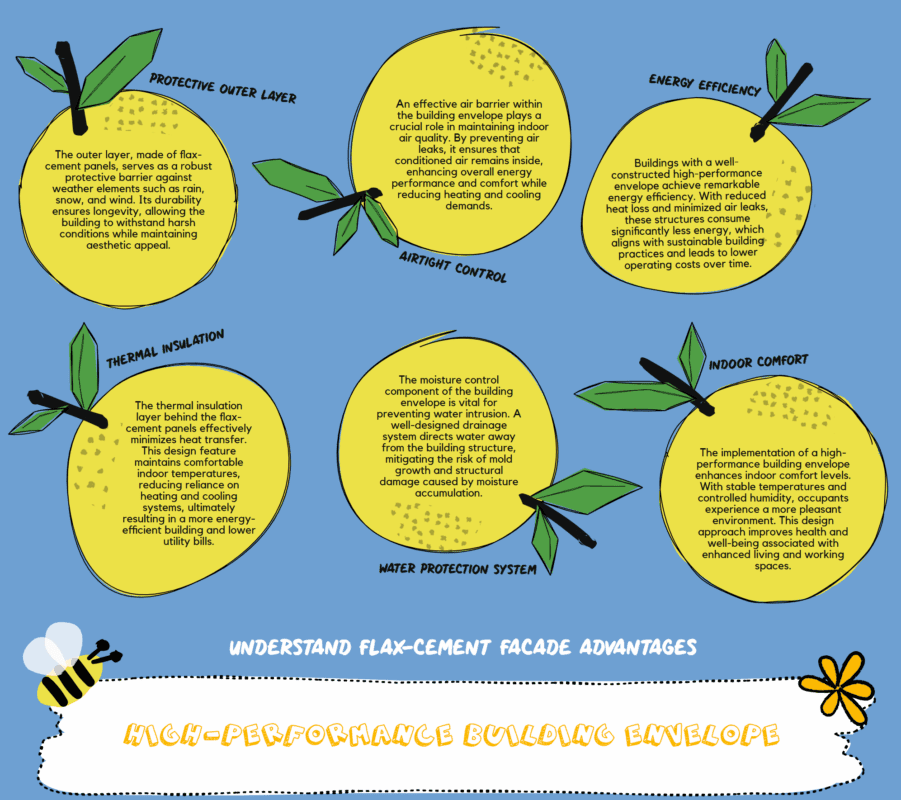
One of the primary functions of a high-performance building envelope is thermal regulation. Buildings are constantly exposed to temperature variations, and without proper control, this can lead to excessive energy consumption. A well-designed facade system minimizes heat transfer, keeping interiors cool in hot climates and warm in colder conditions. This reduces the reliance on heating and cooling systems, resulting in lower energy costs.
Thermal insulation is a key factor in achieving this performance. Advanced facade systems incorporate insulation layers that prevent unwanted heat exchange. Materials with high thermal resistance are used to create a barrier that maintains stable indoor temperatures. This not only improves energy efficiency but also enhances occupant comfort by eliminating temperature fluctuations.
Air leakage is another critical aspect that affects building performance. Even small gaps in the building envelope can allow air to escape or enter, disrupting temperature control and increasing energy usage. High-performance facades are designed to be airtight, ensuring that conditioned air remains inside while external air is kept out. This level of control is essential for maintaining consistent indoor environments.
Moisture management is equally important in building envelope design. Water infiltration can lead to structural damage, mold growth, and reduced material lifespan. Modern facade systems incorporate protective layers and drainage mechanisms to prevent moisture from penetrating the building. Proper detailing ensures that water is effectively managed, preserving both the structure and its appearance.
Another key element of high-performance envelopes is durability. Buildings are exposed to harsh environmental conditions, including UV radiation, wind, and pollution. Facade materials must be able to withstand these factors without deteriorating over time. Choosing the right materials and finishes ensures that the building maintains its performance and aesthetics for years.
Energy efficiency is a major driving force behind the development of high-performance building envelopes. By reducing heat transfer and improving insulation, these systems significantly lower energy consumption. This not only reduces operational costs but also contributes to environmental sustainability.
Daylighting is another important consideration. A well-designed facade allows natural light to enter the building while minimizing glare and heat gain. This balance enhances indoor environments, reducing the need for artificial lighting and improving occupant well-being.
- Optimize insulation and airtightness to improve thermal performance and reduce energy loss
- Design facade systems that effectively manage moisture and environmental exposure
Technology is playing an increasingly important role in building envelope design. Advanced simulation tools allow architects to analyze how a facade will perform under different conditions. These tools provide valuable insights, enabling designers to make informed decisions and optimize performance before construction begins.
In addition to technology, material innovation continues to drive improvements in building envelope performance. New materials are being developed to enhance insulation, durability, and sustainability. These advancements allow architects to create facades that are both efficient and visually appealing.
Real-world applications demonstrate the impact of high-performance building envelopes. Buildings that incorporate advanced facade systems often achieve better energy efficiency, improved indoor comfort, and longer lifespans. These benefits make them highly attractive in both commercial and residential markets.
For architects, the challenge lies in integrating these scientific principles into practical design solutions. It is not enough to focus on aesthetics alone—the facade must also perform effectively under real-world conditions. By understanding the science behind building envelopes, architects can create structures that meet both functional and visual requirements.
As the demand for sustainable and energy-efficient buildings continues to grow, high-performance building envelopes will become increasingly important. Architects who prioritize performance-driven design will be better positioned to create buildings that stand out in both efficiency and innovation.
Ultimately, the building envelope is more than just a protective layer—it is a system that defines how a building interacts with its environment. By focusing on performance, durability, and efficiency, architects can design facades that not only look impressive but also deliver long-term value.
FAQs
1. What is a building envelope?
It is the outer layer of a building that controls heat, air, and moisture flow.
2. Why is thermal insulation important?
It reduces heat transfer, improving energy efficiency and indoor comfort.
3. How do facades affect energy efficiency?
They regulate temperature, control airflow, and reduce energy consumption.
4. What causes air leakage in buildings?
Gaps or poor sealing in the building envelope allow air to escape or enter.
5. How can architects improve building envelope performance?
By using high-quality materials, proper insulation, and advanced design strategies.
🚀 CTA (Call to Action)
If you want to design buildings that truly perform, start by focusing on the building envelope. Integrate high-performance facade strategies into your projects and create structures that are efficient, durable, and future-ready.
Call us at 9821156059