How data-driven design is enabling architects to create intelligent, adaptive, and visually striking facades
Explore parametric facade design and how it transforms modern architecture. Learn how data-driven design improves efficiency, customization, and performance.
Architecture is undergoing a significant transformation, driven by technology and data. Among the most exciting developments in this evolution is parametric facade design. This approach allows architects to move beyond traditional design limitations and create facades that are not only visually unique but also highly responsive to performance requirements.
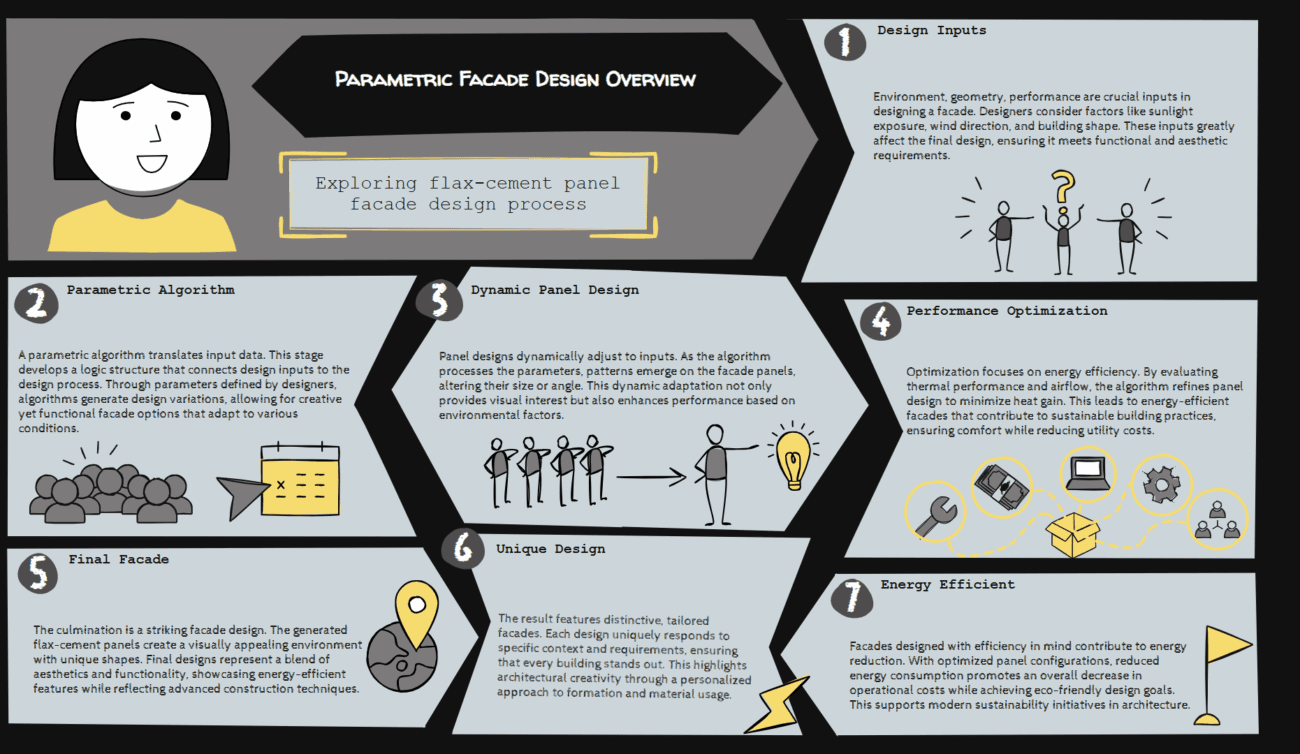
Parametric design is based on algorithms and computational logic. Instead of designing every element manually, architects define a set of parameters—such as geometry, material behavior, environmental conditions, and structural constraints. These parameters guide the design process, enabling the creation of complex patterns and forms that would be difficult or impossible to achieve using conventional methods.
In facade design, this approach opens up new possibilities. Architects can generate intricate patterns, dynamic surfaces, and adaptive structures that respond to factors such as sunlight, airflow, and temperature. The result is a facade that is not only aesthetically striking but also optimized for performance.
One of the key advantages of parametric facade design is customization. Every project has unique requirements, and parametric tools allow architects to tailor facade systems to meet these specific needs. Whether it is adjusting panel sizes, modifying patterns, or optimizing material usage, parametric design provides a level of flexibility that traditional methods cannot match.
Performance optimization is another major benefit. By integrating environmental data into the design process, architects can create facades that respond to real-world conditions. For example, parametric models can analyze sunlight exposure and adjust facade geometry to reduce heat gain while maintaining natural light. This leads to improved energy efficiency and occupant comfort.
Material efficiency is also enhanced through parametric design. By optimizing panel layouts and minimizing waste, architects can reduce material consumption and construction costs. This not only improves sustainability but also makes projects more economically viable.
The visual impact of parametric facades is undeniable. Buildings designed using this approach often feature distinctive patterns and forms that stand out in urban landscapes. These facades become defining elements of architectural identity, attracting attention and creating memorable experiences.
However, parametric design is not just about aesthetics. It also improves coordination between design and construction. Digital models provide precise information about every component of the facade, ensuring that fabrication and installation processes are accurate and efficient. This reduces errors and enhances overall project quality.
- Use parametric tools to balance design creativity with performance optimization
- Integrate environmental data early to create efficient and responsive facade systems
Despite its advantages, parametric facade design requires a strong understanding of both design and technology. Architects must be familiar with computational tools and be able to interpret data effectively. Collaboration with engineers and specialists is often necessary to ensure that the design can be executed successfully.
Cost can also be a consideration. While parametric design can optimize material usage, the complexity of fabrication and installation may increase initial costs. However, the long-term benefits—such as improved performance, reduced maintenance, and enhanced visual appeal—often justify the investment.
Real-world projects demonstrate how parametric facades are transforming architecture. From buildings with dynamic shading systems to structures with complex geometric patterns, these designs showcase the potential of data-driven approaches. They highlight how technology can enhance both creativity and functionality.
For architects, parametric design represents a shift in mindset. It is not just a tool but a new way of thinking about design. By embracing this approach, architects can explore innovative solutions that push the boundaries of traditional architecture.
Another important aspect is scalability. Parametric systems can be adjusted and replicated across different projects, allowing architects to apply successful design strategies in various contexts. This adaptability makes parametric design a valuable asset in modern architecture.
As the industry continues to evolve, the role of parametric design will become increasingly important. Architects who adopt these tools will be better equipped to create buildings that are efficient, adaptable, and visually compelling.
Ultimately, parametric facade design is about combining creativity with precision. It allows architects to design with data, ensuring that every element of the facade contributes to both aesthetics and performance. This integration of art and science is what makes parametric design a revolutionary force in modern architecture.
FAQs
1. What is parametric facade design?
It is a design approach that uses algorithms and parameters to create complex and optimized facade systems.
2. How does parametric design improve performance?
By analyzing environmental data and adjusting design elements to enhance efficiency.
3. Is parametric design only for aesthetics?
No, it also improves functionality, efficiency, and material optimization.
4. What tools are used in parametric design?
Software like Grasshopper and other computational design tools are commonly used.
5. Is parametric facade design expensive?
It may have higher initial costs but offers long-term benefits in performance and efficiency.
🚀 CTA (Call to Action)
If you want to push the boundaries of architectural design, it’s time to explore parametric facade solutions. Combine creativity with data-driven precision and create facades that redefine modern architecture.
Call us at 9821156059